You may (or may not) have noticed that I’ve refrained from commenting or posting or engaging in discussion of AI. Initially, I just thanked my lucky stars that my kids are already grown and out of school, but secretly I really hoped this was a fad and it would go away.
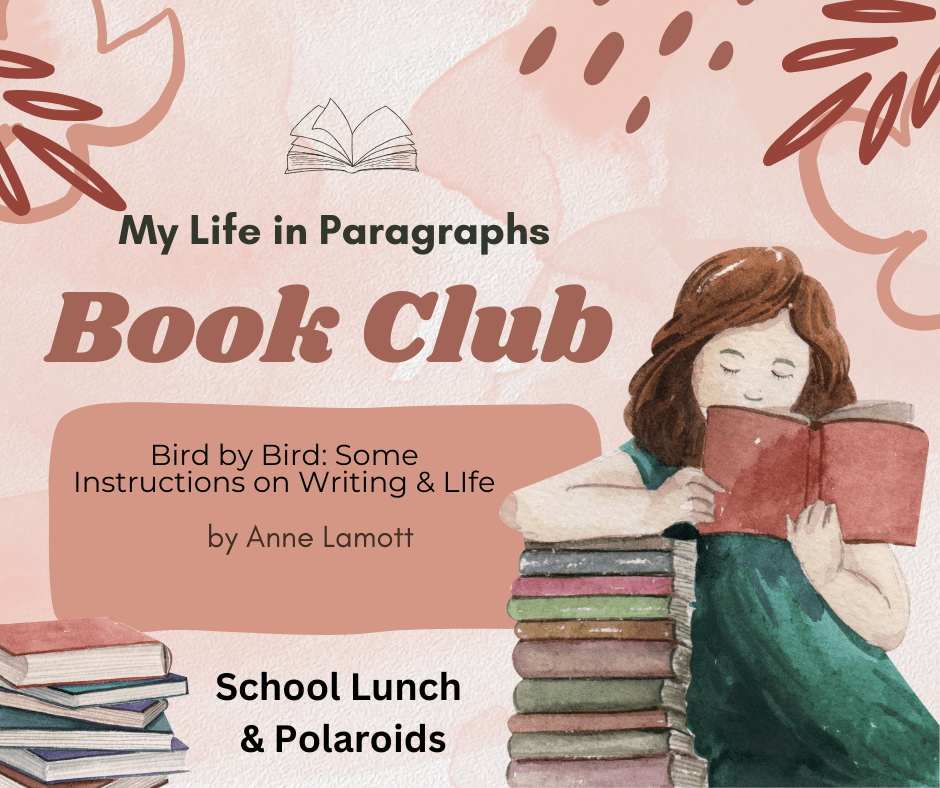
I only made it halfway through my Bird by Bird book club. The book sits on my desk now, taunting me. You didn’t finish, you didn’t finish, what a loser, once again, you didn’t finish. Not that, for one moment, I can imagine Anne Lamott would say that to me.
In fact, she mentions several times in the book that perfection is the oppressor. Not that only making it halfway is even remotely in the same country as perfection. Still.
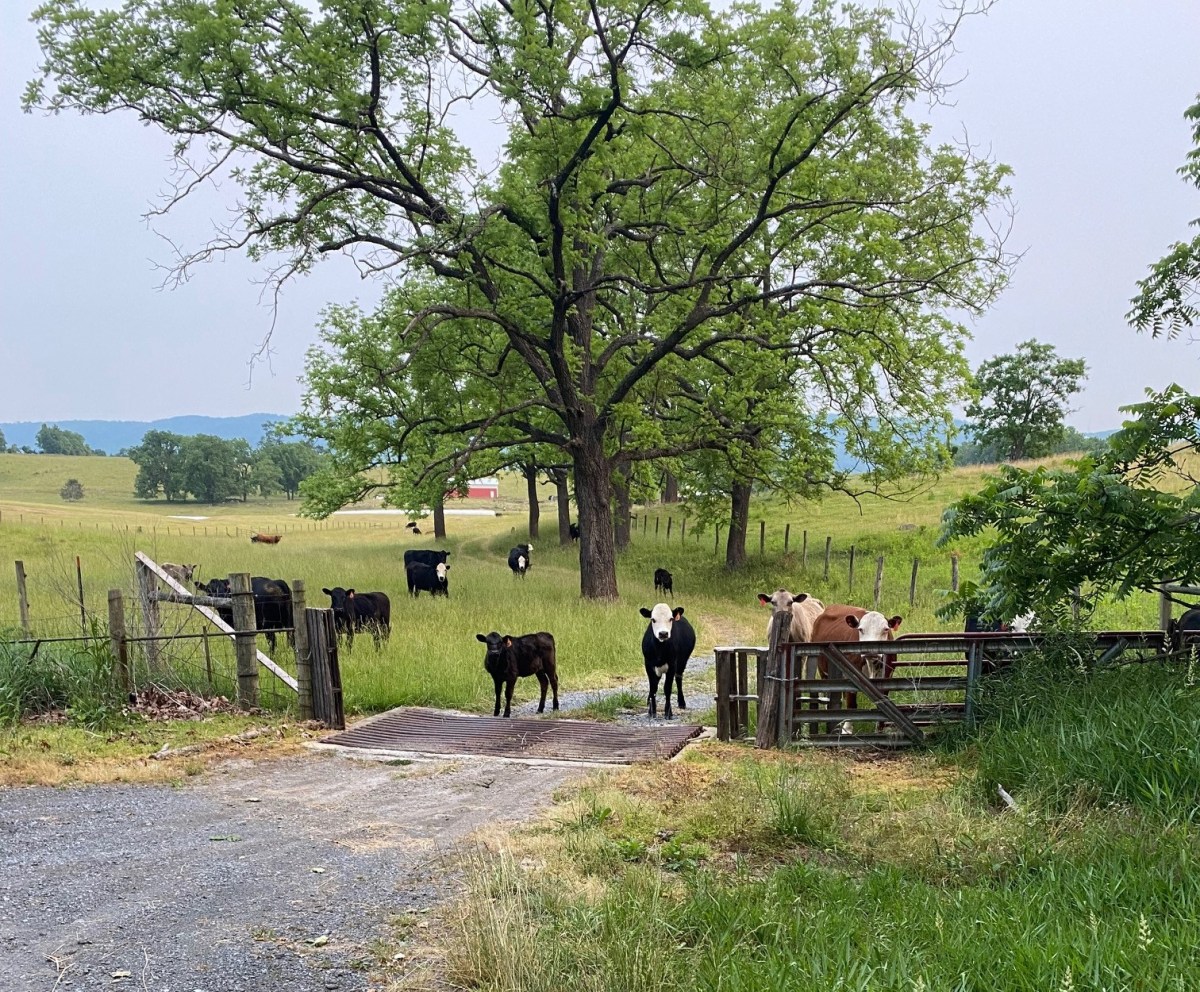
The cows are crying. (not a sentence I ever imagined writing)
A few times a year, our little street echoes with the bellows and moans and outright wails of distressed cows. This means that one of our farmer neighbors has separated the mamas and babies, presumably so that the babies can go to be auctioned.
The sounds of the cows are heartbreaking. I doubt they know that their babies are likely destined for a slaughterhouse, but change on any level is hard.
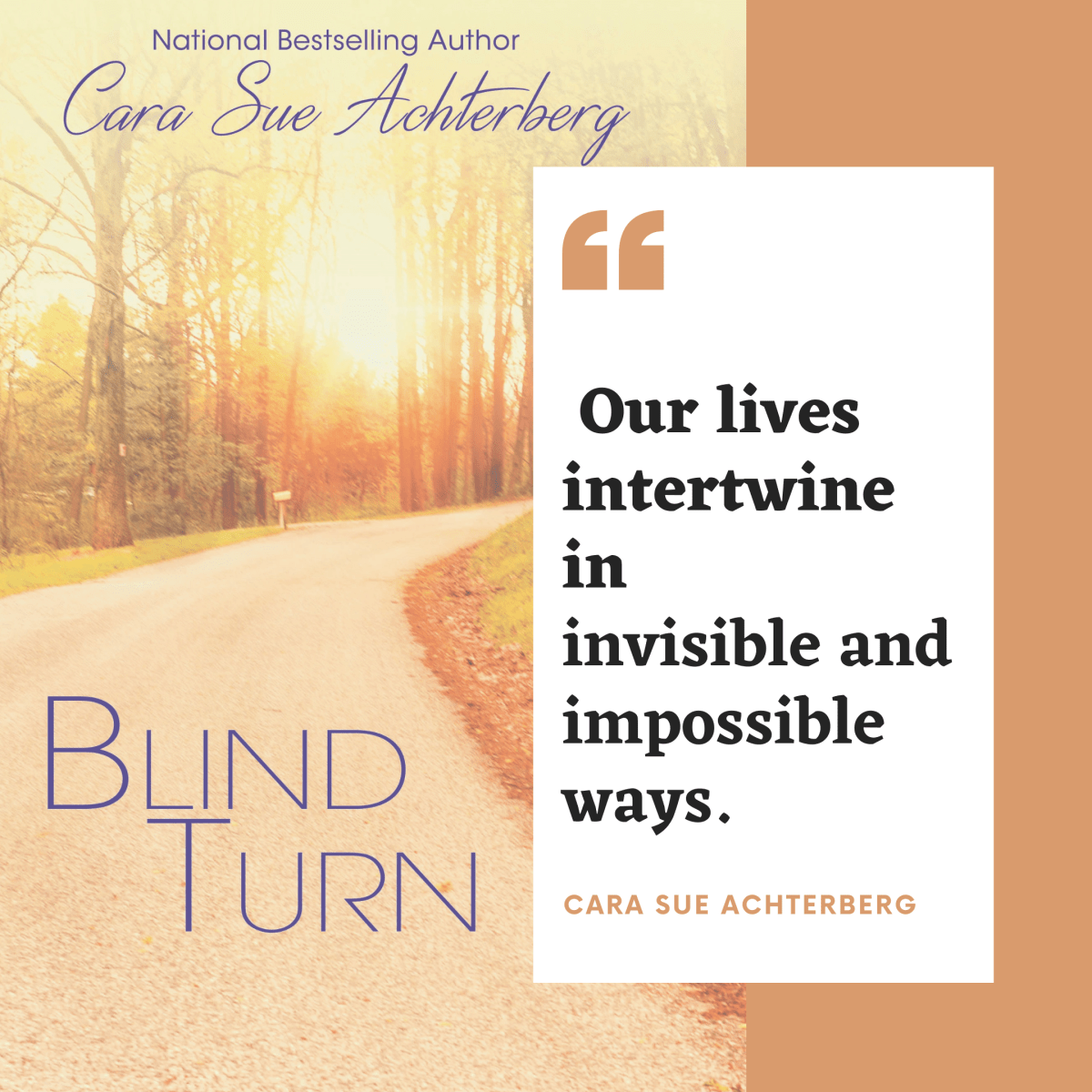
My most recent novel, Blind Turn, has had the longest and most winding road to publication of all my books. I looked back through my files to try to figure out when I started writing it – as best as I can tell, I began writing it in 2010.
I was inspired to think about this because it was chosen to be the Ereader News Book of the Day for this Friday, August 30. For one day it will be just 99 cents!
So, if your reason for not buying a copy has been that you don’t want to spend the money, here’s your chance to get an e-copy for less than a dollar. There’s not much you can buy for less than a buck these days, so I hope you’ll take a chance on me..]
Back to my long and winding story, which I’ll try to keep brief by sharing it in a timeline:
The next chapter in Bird By Bird is titled, “Set Design”, or in other words, setting. Setting is critical, but it can also be nauseatingly overdone (and underdone, as my sad story will reveal).
The reader needs to be able to picture your characters somewhere. And not just somewhere, but in what kind of weather? What time of day? What season of the year?
It’s where pantsers and plotters part ways. I have never been able to plot. The times when I’ve plotted out a story before starting to write, it’s felt stilted and uncomfortable and forced. Like doing a homework assignment. Check that rubric – are you hitting all the right notes?
Once I’ve regurgitated what I’d planned, I feel let down. Like I was waiting for this great thing, and it disappointed. The idea seemed so much better in outline form.
I love this chapter on Characters. Lamott connects it seamlessly to the preceding chapter by saying that characters develop just like polaroids, as you write your story, coming into focus the further you go.
That’s always been true for me. I love being surprised by my characters. Sometimes they don’t turn out to be anything like I first imagined they would be. As my story unwinds, my characters come to life.
Lamott says, “You are going to love some of your characters, because they are you or some facet of you, and you are going to hate some of your characters for the same reason.”
I remember the School Lunch chapter from the very first time I read this book. I didn’t get it. Maybe I still don’t. Lamott says school lunches are full of the same longings and dynamics and anxieties for everyone, even if the school setting is different.
Well, maybe it’s an East Coast/West Coast thing, but the experiences she writes about – what was acceptable (bologna, pb&J) mattered and you were ostracized for bringing smelly, wrong things (which often happened if your father made your sandwich)—those didn’t bring any sense of recognition for me. I remember basically zero about elementary school lunch period.
This next chapter is a short one (they all are really because Lamott doesn’t mince words). The focus is perfectionism and the danger it poses toward you as a writer.
I would say it poses just as much a threat to you as a person.
Here’s what Lamott writes:
“Perfectionism is the voice of the oppressor, the enemy of the people. It will keep you cramped and insane your whole life, and it is the main obstacle between you and a shitty first draft.”